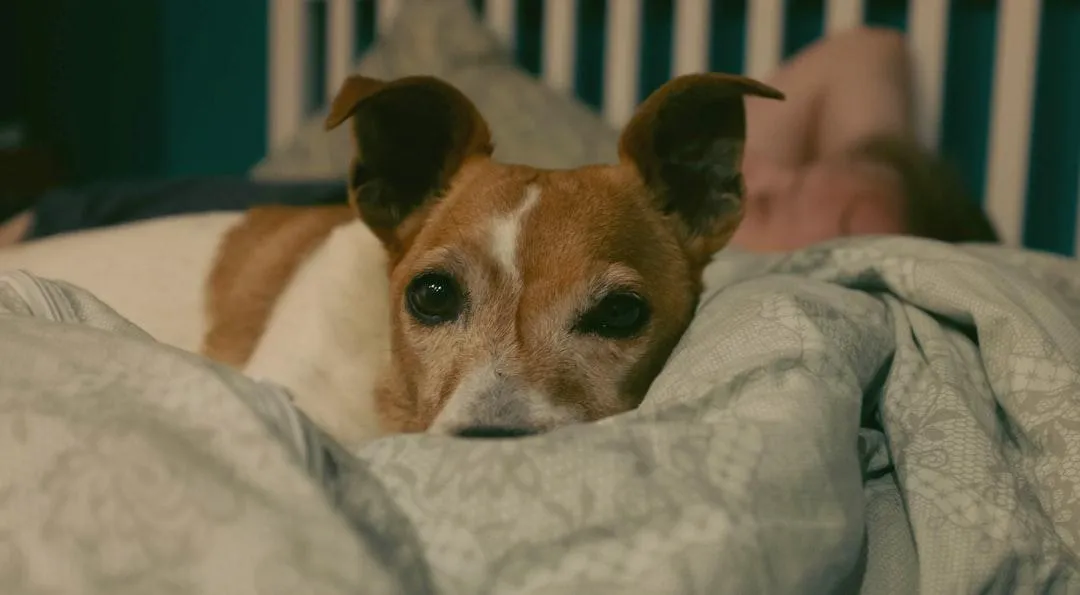
Separation Anxiety at Night
Separation Anxiety at Night
There’s many reasons a dog can develop separation anxiety whether it’s a new puppy or new rescue dog in a scary new home, an adolescent dog coping with emotional changes or even an older dog that perhaps is getting confused. Additionally there are some factors that can cause dogs to be more at risk such as dogs known as Hyperattached dogs which like to constantly follow their owners about. Also big changes in routines like getting a new job or even moving house. Either way there are ways to help prevent separation anxiety in dogs and pups of all ages!
Some of the more common symptoms of separation anxiety can be barking/howling/whining through the night, Pacing and not being able to settle unless in the same room as the owner, which is the last thing anyone wants when it’s late at night. Then the easiest answer is giving in and letting the dog sleep with you but that’s not always possible.
So how can you prevent separation anxiety through the night?
Well there’s a few different areas that you can work on, firstly ask these questions to yourself.
Are the dogs basic needs are met?
Have they had enough mental and physical exercise that day?
Have you done any calming exercises with the dog like relaxation, chewing, sniffing or stuffed kongs etc?
If not then this would be the first place to start.
In order to stop separation anxiety through the night then you need to know where would you prefer the dog to sleep through the night and where are they most comfortable? Then you need to create gradual steps from where your currently at and where you want to get to, and always always go at the dogs pace. If they aren’t comfortable then don’t increase criteria. Once you’ve worked out your dogs personal steps you can work on stopping your dog barking through the night.
For example;
In your bedroom on a dog bed
Outside your bedroom with bedroom door open
Top of the landing, bedroom door open
Dog bed downstairs at bottom of stairs
Dog bed in the living room
Other things to consider is there have been studies to show that certain essential oils can help stop barking and pacing in a dog rescue. Vanilla, coconut, valerian and ginger all helped to reduce signs of stress, in fact coconut and ginger actually helped the dogs to sleep too. Additionally dog Appeasing Pheromone products have also been found to help to reduce barking in dogs and for some dogs can even help them to relax enough to sleep.
If your struggling with your dogs separation anxiety then don't worry, you're not alone!
Book a Free Assessment Call and we can help create a training plan to stop separation anxiety at night
https://college4canines.co.uk/behaviour
Author
Written by Denise Devereux Bsc (Hon) Canine Behaviour, FdSc Applied Canine Behaviour & Training
https://college4canines.co.uk/about-us
©️College 4 Canines