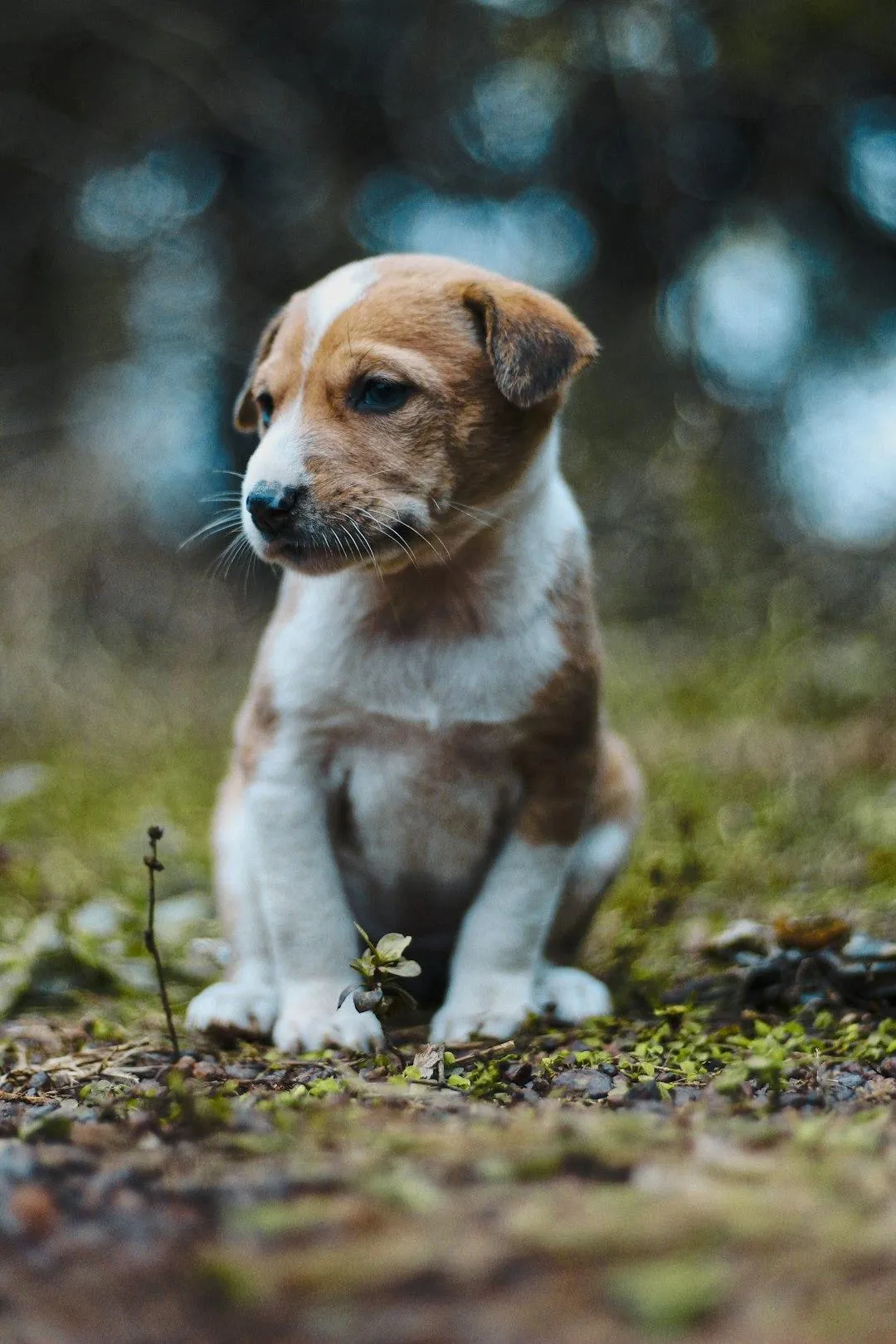
Toilet Training Your Puppy Using Positive Reinforcement
Toilet Training Your Puppy Using Positive Reinforcement
Why Toilet Training Takes Time
Toilet training is one of the first major challenges new puppy owners face.
Accidents indoors are completely normal during puppy development. Young puppies have limited bladder control and are still learning where toileting should happen.
Successful toilet training depends on:
Consistency
Supervision
Routine
Positive reinforcement
Realistic expectations
Force-free toilet training focuses on rewarding success rather than punishing accidents.
Why Punishment Should Be Avoided
Punishing puppies for accidents can create:
Fear of toileting in front of owners
Anxiety
Hiding behaviours
Confusion
Delayed toilet training progress
Puppies do not understand punishment after the event.
Instead, positive reinforcement helps puppies learn exactly where toileting is appropriate.
Creating a Toilet Training Routine
Young puppies need frequent opportunities to toilet.
Common times puppies need to go outside include:
After waking
After eating
After drinking
After play
After excitement
Before bedtime
Consistency builds predictability and faster learning.
Rewarding Outdoor Toileting
When your puppy toilets outside:
Calmly praise
Reward immediately
Use high-value treats
Reinforce consistently
Timing matters.
The reward should happen immediately after toileting so your puppy makes the correct association.
Supervision Is Essential
Prevention is easier than correction.
When puppies are awake and active, close supervision helps owners spot early signs such as:
Sniffing
Circling
Wandering away
Sudden stopping during play
If supervision is not possible, use management tools such as:
Puppy pens
Baby gates
Crates
Tethers
Cleaning Accidents Properly
Use enzymatic cleaners designed specifically for pet odours.
Standard household cleaners may leave lingering scent markers that encourage repeat accidents.
Avoid:
Rubbing puppy noses in accidents
Yelling
Punishment
Startling the puppy
These approaches can damage trust and increase anxiety.
Night-Time Toilet Training
Young puppies often need overnight toilet breaks.
Set realistic expectations based on age.
Many puppies gradually develop longer overnight bladder control as they mature.
Keeping nighttime trips:
Calm
Quiet
Predictable
helps puppies return to sleep more easily.
Regression During Adolescence
Some puppies temporarily regress during adolescence.
This is normal developmental behaviour and not stubbornness.
Maintain consistency and avoid punishment during this phase.
Common Toilet Training Mistakes
Giving Too Much Freedom Too Soon
Large unsupervised spaces often increase accidents.
Gradually expand freedom as reliability improves.
Missing Toilet Opportunities
Puppies learn fastest when owners proactively create opportunities for success.
Inconsistency
Different routines or responses can slow progress.
Consistency helps puppies understand expectations.
Final Thoughts
Toilet training requires patience, routine, and positive reinforcement.
Force-free methods help puppies learn confidently while protecting trust and emotional wellbeing.
Most puppies become reliably toilet trained through consistent routines, supervision, and rewarding success rather than punishing mistakes.
View more about Puppy Training at;
https://college4canines.co.uk/puppy-classes-northumberland
Author
Written by Denise Devereux Bsc (Hon) Canine Behaviour, FdSc Applied Canine Behaviour & Training
https://college4canines.co.uk/about-us
©️College 4 Canines