Ethical and force-free • Science-based expertise • Fully accredited behaviourist



⭐️⭐️⭐️⭐️⭐️ 100+ 5-star reviews from happy dog owners
Accredited Dog Behaviourist & Force-Free Training in Northumberland
I have dedicated my life to being able to help owners with dogs that are otherwise considered write offs using only force free training. At College4Canines, we wholeheartedly believe that every dog is an individual, deserving of a training experience that caters to their specific needs.
Qualified, accredited, and committed to best practice
Qualification Badges



Our Force-Free Dog Training Classes
Services
1:1 Behavioural Consultations for Reactive Dogs
Specialised behavioural training for reactive dogs designed to make a real difference by dealing with the root cause, emotion, or motivation. Accredited Dog Behaviourist serving clients across Morpeth, Blyth, and wider Northumberland
Adult Group Training
Classes
From Bronze foundations to advanced Silver and Gold Lifeskills classes in Acklington Village Hall, Morpeth, Northumblerland provide professional training for all ages.
pERFECT PUPPY TRAINING
CLASSES
Giving your new addition the best start with force-free methods in our Perfect Puppy training classes in Acklington Village Hall, Morpeth, Northumberland providing professional training to pups under 6 months
SCENT WORK WORKSHOPS
AND CLASSES
Thrilling Scentwork classes and workshops in Acklington Village Hall, Morpeth, Northumberland through the UK College of Scent Dogs to enrich your dog's life for fun.
Join our mailing list
And be the first to know when new class dates are available for our Puppy, Lifeskills, or Scentwork sessions. I also use this list to share updates on new services and force-free training opportunities across Northumberland.
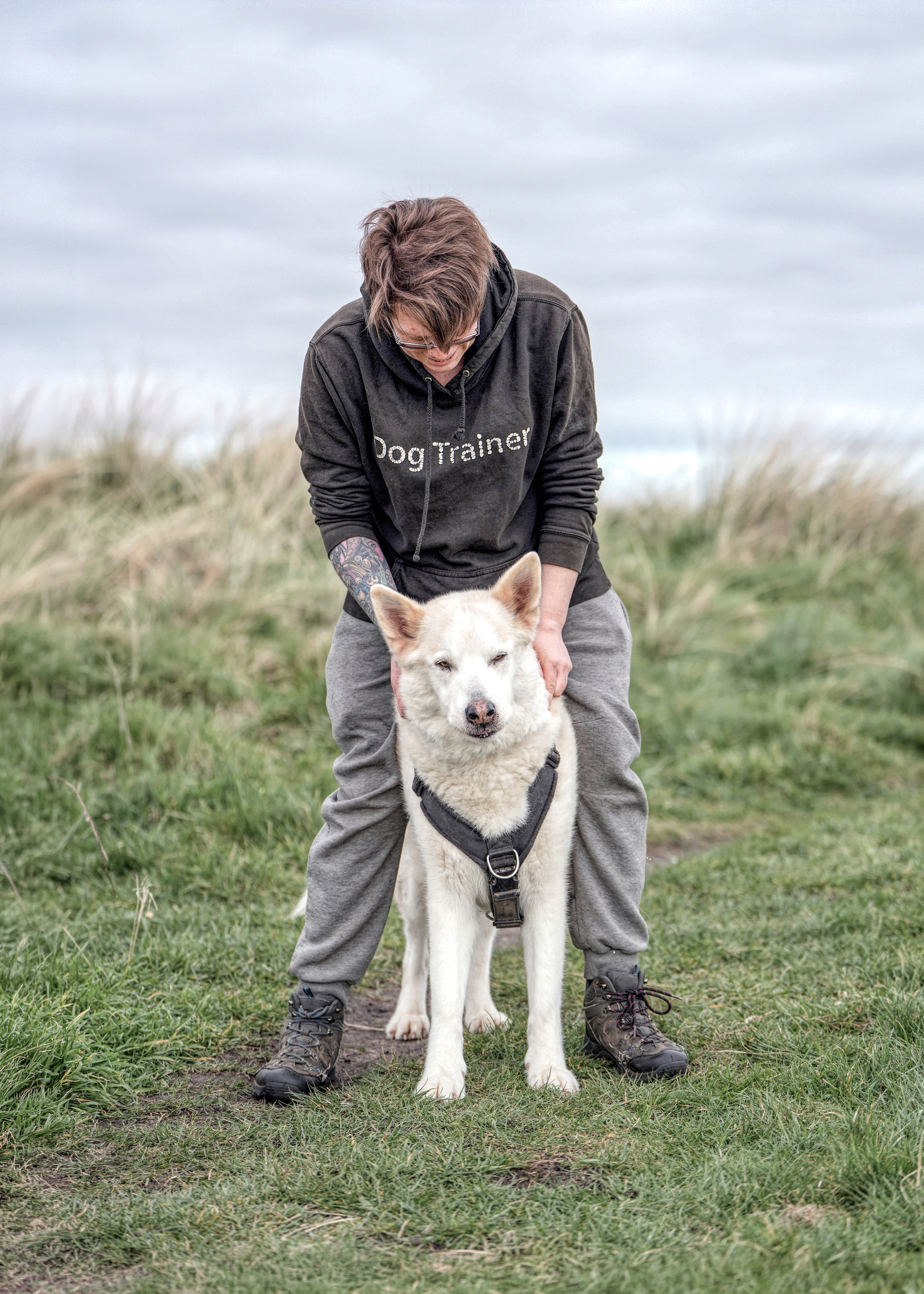
Meet Denise: Qualified Canine Behaviourist
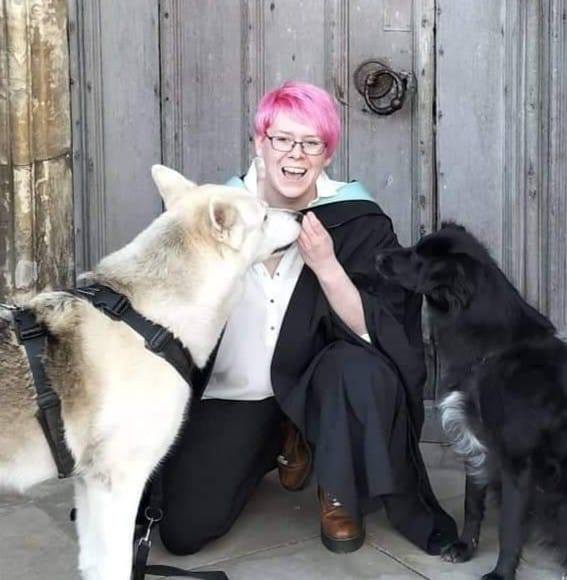
College 4 Canines is led by Denise Devereux Bsc (Hons) Canine Behaviour, a fully qualified dog behaviourist supporting dogs across Blyth and Northumberland for 10+ years.
I got into dog behaviour when I rescued my first dog, Bear. We were turned down for classes because of his behaviour, which made me determined to prove them wrong.
College 4 Canines was set up to allow people who cannot attend classes because their dog isn't "suitable" for a class environment to still have access to professional force free training.
If I could change the world, I want to be the one that shows owners and other trainers that force free training works.
Our Qualifications and Accreditations
Professional Accreditations
Member of Pet Professional Guild
Member of The Pet Professional Network
Student member of APBC working towards Clinical Animal Behaviourist
Accredited Detection Dog Handler and Scentwork Instructor through
the UK College of Scent Dogs
Assessor for PAWS Therapy Dog Training
Assistance Dog Trainer for Pawsability (Owner Trained Assistance Dogs)
Formal Qualifications
Currently studying Msc in Clinical Animal Behaviour at the University of Edinburgh
Completed Bsc (Hons) Canine Behaviour at Bishop Burton in 2023
Completed FdSc Canine Behaviour and Training at Bishop Burton in 2021
Trusted by local dog owners
Reviews
We’re proud to be recommended by families across Acklington.
Our reviews reflect our calm approach, clear support, and commitment to dog welfare.
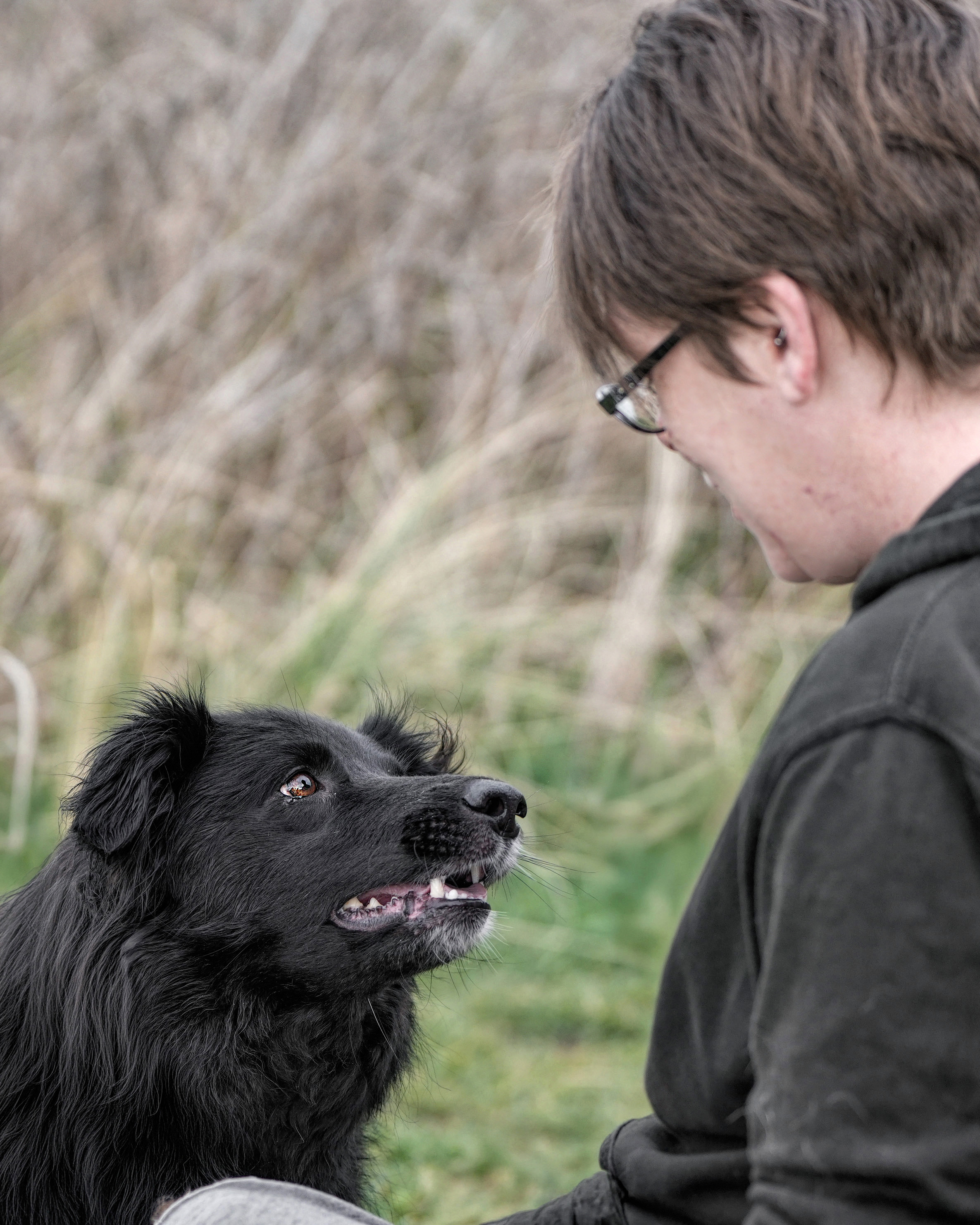
Personalised training tailored to your dog
1:1 Training and Behaviour
Who it’s for
Owners of reactive dogs wanting to use force free training or those with dogs considered "write offs" by others.
What we help with
Reactivity, emotion-led behaviours, assistance dog tasks, and unique behavioural challenges.
Every plan is tailored to the individual, using effective, force-free methods that prioritise ethical treatment regardless of the intensity of the behaviour.
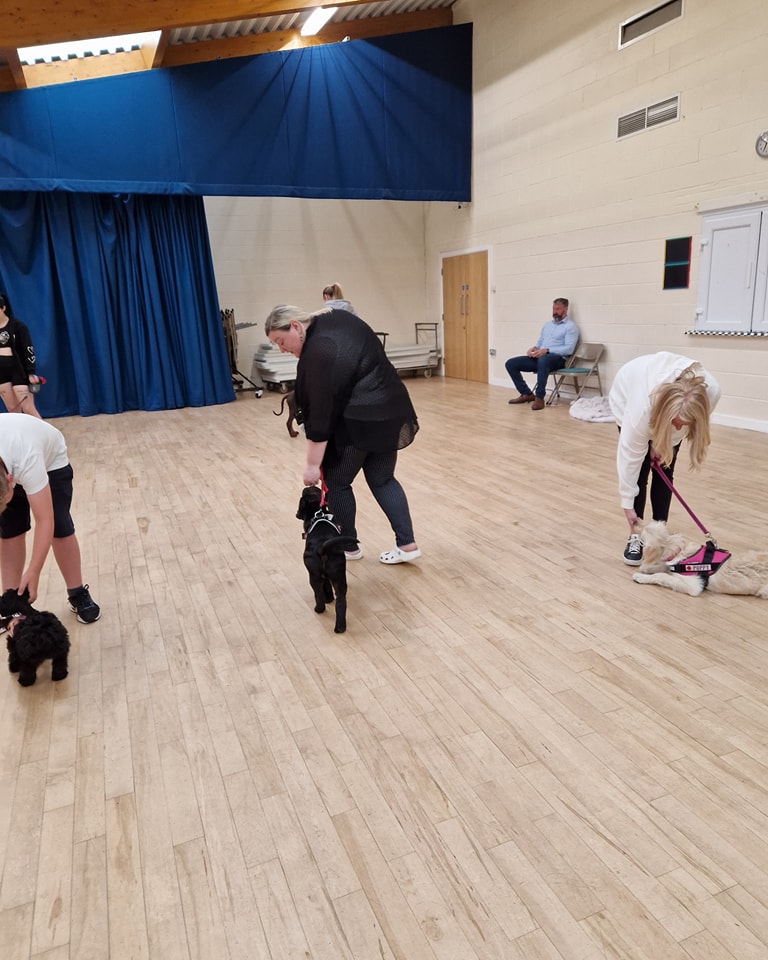
Supportive classes in Northumberland
All Training Classes
Perfect Puppy: Giving your new Puppy the best start with force-free Puppy training in Morpeth.
Lifeskills (Bronze, Silver & Gold): For adolescent and adult dogs, Lifeskills classes in Morpeth work on obedience up to advanced levels, or rescue dogs with little training history.
Scentwork: Thrilling Scentwork classes in Morpeth through the UK College of Scent Dogs to enrich your dog's life for fun.
Reactive Dog Classes: The only place in Northumberland offering specific group classes for reactive dogs.
Training advice and guidance
Blog
Helpful articles covering puppy training, behaviour insights, and practical tips to support life with your dog.
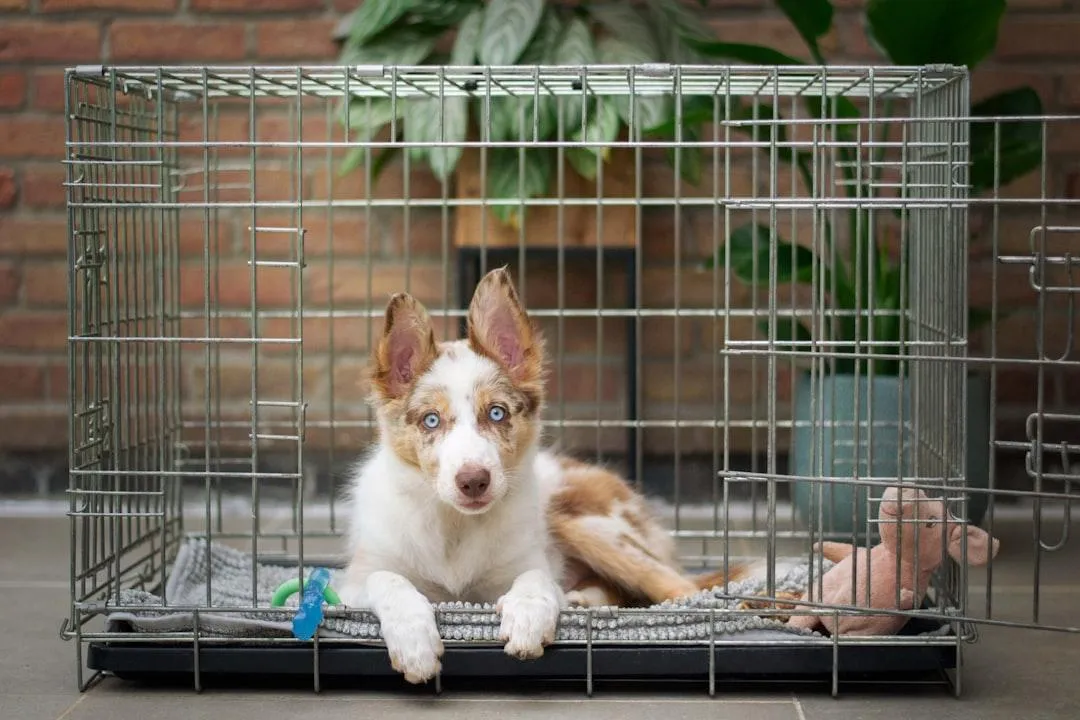
Crate Training Your Puppy Using Force-Free Methods
Crate Training Your Puppy Using Force-Free Methods
What Is Crate Training?
Crate training is the process of teaching a puppy to feel safe, relaxed, and comfortable inside a crate. When introduced properly using force-free training methods, crates can become valuable tools for:
Toilet training
Settling
Safe management
Preventing destructive behaviour
Supporting rest and recovery
Safe travel
The key to successful crate training is ensuring the crate always predicts positive experiences.
Should You Crate Train a Puppy?
A crate should never be used as punishment.
Instead, the crate should function as:
A calm sleeping space
A safe retreat
A predictable environment
A management tool
Many puppies naturally enjoy den-like environments when introduced gradually and positively.
Choosing the Right Crate
Your puppy’s crate should:
Allow them to stand comfortably
Allow them to turn around
Allow them to lie stretched out
Feel secure but not cramped
Popular options include:
Wire crates
Plastic travel crates
Soft-sided crates
Puppy pens with open crate access
Adding soft bedding, safe chews, and enrichment can help puppies relax.
How to Introduce the Crate Positively
1. Let Your Puppy Explore Freely
Start with the crate door open.
Scatter treats inside and allow your puppy to investigate voluntarily.
Never force your puppy into the crate.
2. Feed Meals in the Crate
Feeding meals inside the crate helps create positive associations.
Initially allow the puppy to move freely in and out.
Gradually build duration over time.
3. Use Enrichment Inside the Crate
Provide:
Stuffed Kongs
Lick mats
Safe chews
Snuffle mats
These activities encourage calmness and relaxation.
4. Build Duration Gradually
Close the door briefly while your puppy enjoys enrichment.
Open the door before your puppy becomes distressed.
Gradually increase duration in tiny increments.
Common Crate Training Mistakes
Moving Too Quickly
If puppies become distressed, whining or panicking can escalate.
Slow progression creates confidence.
Using the Crate for Punishment
Punishment damages positive associations and can create fear of confinement.
Expecting Puppies to “Cry It Out”
Allowing puppies to panic inside the crate can worsen separation-related behaviours and anxiety.
Force-free training focuses on helping puppies feel emotionally safe.
Crate Training and Toilet Training
Crates can support toilet training because most puppies naturally avoid toileting where they sleep.
However, puppies still need:
Frequent toilet breaks
Supervision
Consistent routines
Realistic expectations
Young puppies may need overnight toilet trips.
Supporting Calmness and Settling
Many puppies struggle with switching off.
Teaching relaxation is just as important as teaching obedience.
Calm crate routines can help puppies learn:
Emotional regulation
Independence
Relaxation skills
Rest routines
Signs Your Puppy Is Comfortable in the Crate
Positive signs include:
Entering voluntarily
Relaxing inside
Sleeping calmly
Choosing to rest there independently
Engaging with enrichment comfortably
The goal is emotional comfort — not simply compliance.
Final Thoughts
Force-free crate training helps puppies develop positive associations with confinement while supporting toilet training, management, and relaxation.
By introducing the crate gradually and positively, owners can help puppies feel safe and secure without fear or distress.
Patience, consistency, and positive reinforcement are the foundations of successful crate training.
For more help on common puppy issues contact our dog behaviourist at;
https://college4canines.co.uk/puppy-classes-northumberland
Author
Written by Denise Devereux Bsc (Hon) Canine Behaviour, FdSc Applied Canine Behaviour & Training
Crate Training Your Puppy Using Force-Free Methods
Crate Training Your Puppy Using Force-Free Methods
What Is Crate Training?
Crate training is the process of teaching a puppy to feel safe, relaxed, and comfortable inside a crate. When introduced properly using force-free training methods, crates can become valuable tools for:
Toilet training
Settling
Safe management
Preventing destructive behaviour
Supporting rest and recovery
Safe travel
The key to successful crate training is ensuring the crate always predicts positive experiences.
Should You Crate Train a Puppy?
A crate should never be used as punishment.
Instead, the crate should function as:
A calm sleeping space
A safe retreat
A predictable environment
A management tool
Many puppies naturally enjoy den-like environments when introduced gradually and positively.
Choosing the Right Crate
Your puppy’s crate should:
Allow them to stand comfortably
Allow them to turn around
Allow them to lie stretched out
Feel secure but not cramped
Popular options include:
Wire crates
Plastic travel crates
Soft-sided crates
Puppy pens with open crate access
Adding soft bedding, safe chews, and enrichment can help puppies relax.
How to Introduce the Crate Positively
1. Let Your Puppy Explore Freely
Start with the crate door open.
Scatter treats inside and allow your puppy to investigate voluntarily.
Never force your puppy into the crate.
2. Feed Meals in the Crate
Feeding meals inside the crate helps create positive associations.
Initially allow the puppy to move freely in and out.
Gradually build duration over time.
3. Use Enrichment Inside the Crate
Provide:
Stuffed Kongs
Lick mats
Safe chews
Snuffle mats
These activities encourage calmness and relaxation.
4. Build Duration Gradually
Close the door briefly while your puppy enjoys enrichment.
Open the door before your puppy becomes distressed.
Gradually increase duration in tiny increments.
Common Crate Training Mistakes
Moving Too Quickly
If puppies become distressed, whining or panicking can escalate.
Slow progression creates confidence.
Using the Crate for Punishment
Punishment damages positive associations and can create fear of confinement.
Expecting Puppies to “Cry It Out”
Allowing puppies to panic inside the crate can worsen separation-related behaviours and anxiety.
Force-free training focuses on helping puppies feel emotionally safe.
Crate Training and Toilet Training
Crates can support toilet training because most puppies naturally avoid toileting where they sleep.
However, puppies still need:
Frequent toilet breaks
Supervision
Consistent routines
Realistic expectations
Young puppies may need overnight toilet trips.
Supporting Calmness and Settling
Many puppies struggle with switching off.
Teaching relaxation is just as important as teaching obedience.
Calm crate routines can help puppies learn:
Emotional regulation
Independence
Relaxation skills
Rest routines
Signs Your Puppy Is Comfortable in the Crate
Positive signs include:
Entering voluntarily
Relaxing inside
Sleeping calmly
Choosing to rest there independently
Engaging with enrichment comfortably
The goal is emotional comfort — not simply compliance.
Final Thoughts
Force-free crate training helps puppies develop positive associations with confinement while supporting toilet training, management, and relaxation.
By introducing the crate gradually and positively, owners can help puppies feel safe and secure without fear or distress.
Patience, consistency, and positive reinforcement are the foundations of successful crate training.
For more help on common puppy issues contact our dog behaviourist at;
https://college4canines.co.uk/puppy-classes-northumberland
Author
Written by Denise Devereux Bsc (Hon) Canine Behaviour, FdSc Applied Canine Behaviour & Training
Force-Free Dog Training & Behaviourist in Blyth and Northumberland
Contact us today for supportive dog training classes in Acklington or 1:1 Behaviour Training & Support in Northumberland.
.
Kind, professional support for dogs considered "unsuitable" elsewhere. Book your classes or an assessment call today.
College 4 Canines | Phone: +44 7795 199208 | Training Venue: Acklington Village Hall, Acklington, Northumberland, NE65 9BW.
© College4Canines 2026