Ethical and force-free • Science-based expertise • Fully accredited behaviourist

⭐️⭐️⭐️⭐️⭐️ 100+ 5-star reviews from happy dog owners
Accredited Dog Behaviourist & Force-Free Dog Trainer in Northumberland
I have dedicated my life to being able to help owners with dogs that are otherwise considered write offs using only force free training. At College4Canines, we wholeheartedly believe that every dog is an individual, deserving of a training experience that caters to their specific needs.
Qualified, accredited, and committed to best practice
Qualification Badges



Our Force-Free Dog Training Classes
Services
1:1 Behavioural Consultations for Reactive Dogs
Specialised behavioural training for reactive dogs designed to make a real difference by dealing with the root cause, emotion, or motivation. Accredited Dog Behaviourist serving clients across Morpeth, Blyth & Northumberland
Adult Group Training
Classes
Our Lifeskills classes are held at Acklington Village Hall, Morpeth and open to adolescent and adult dogs. Available in Bronze, Silver & Gold and the only classes in Northumberland that include group social walks!
pERFECT PUPPY TRAINING
CLASSES
Giving your new addition the best start with force-free training at our Perfect Puppy training classes in Acklington Village Hall, Morpeth, Northumberland providing professional training to pups under 6 months
SCENT WORK WORKSHOPS
AND CLASSES
Thrilling Scentwork classes and workshops open to all breeds at Acklington Village Hall, Morpeth, Northumberland with a UK College of Scent Dogs accredited Scentwork Instructor.
Join our mailing list
And be the first to know when new class dates are available for our Puppy, Lifeskills, or Scentwork sessions. I also use this list to share updates on new services and force-free training opportunities across Northumberland.
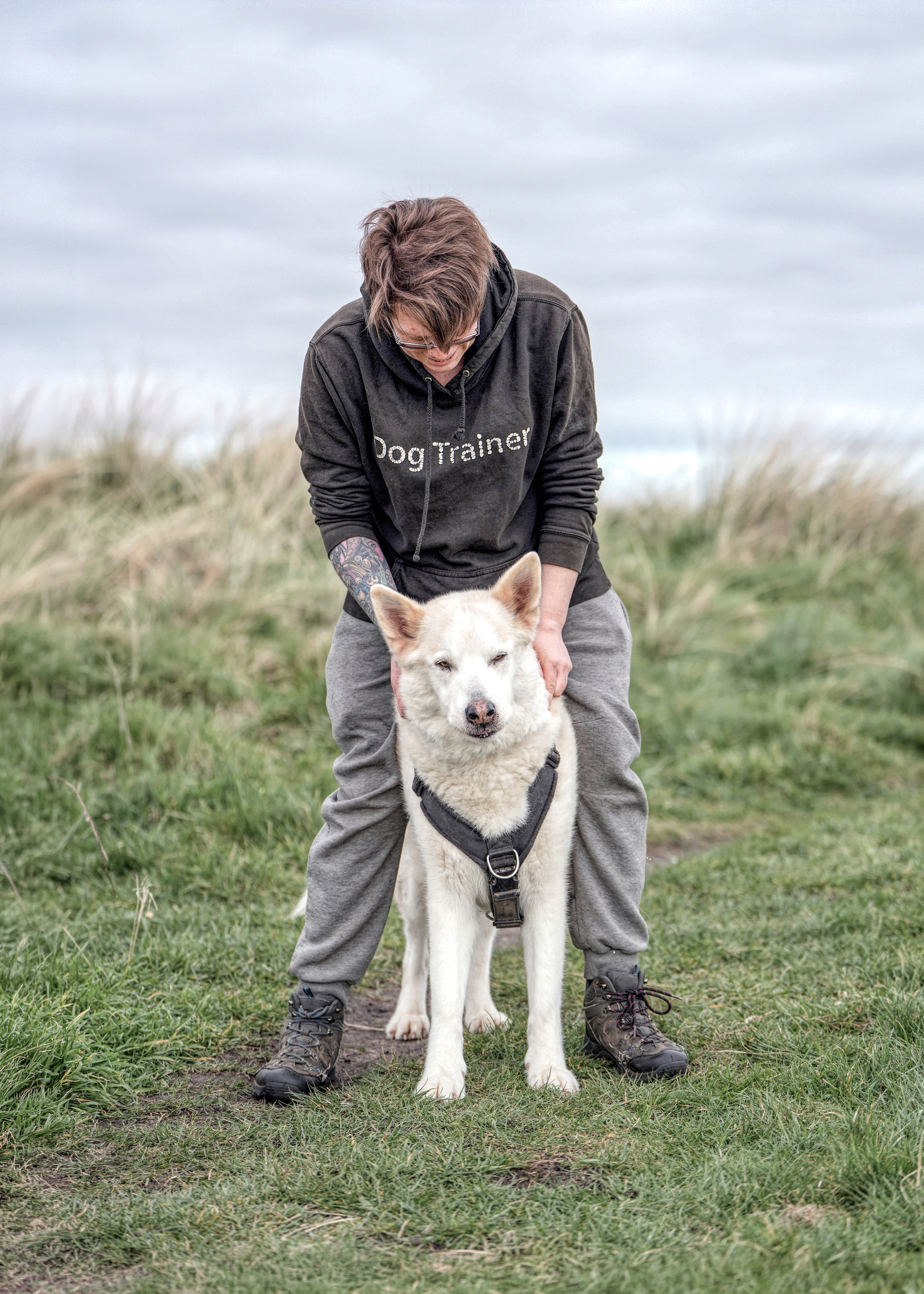
Meet Denise: Qualified Canine Behaviourist
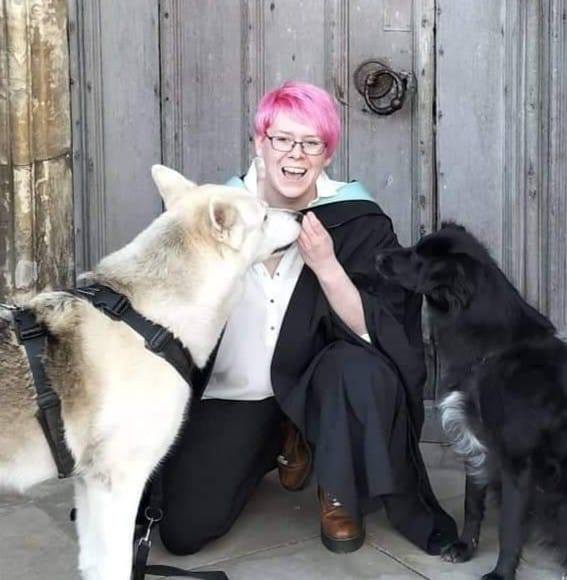
College 4 Canines is led by Denise Devereux Bsc (Hons) Canine Behaviour, a fully qualified dog behaviourist supporting dogs across Blyth and Northumberland for 10+ years.
I got into dog behaviour when I rescued my first dog, Bear. We were turned down for classes because of his behaviour, which made me determined to prove them wrong. We managed to accomplish Kennel Club Good Citizen Gold.
College 4 Canines was set up to allow people who cannot attend classes because their dog isn't "suitable" for a class environment to still have access to professional force free training.
If I could change the world, I want to be the one that proves to owners and other trainers that force free dog training works. It worked for my boy, and can work for you too!
Qualifications and Accreditations
Professional Accreditations
Member of Pet Professional Guild
Member of The Pet Professional Network
Student member of APBC working towards Clinical Animal Behaviourist
Accredited Detection Dog Handler and Scentwork Instructor through
the UK College of Scent Dogs
Assessor for PAWS Therapy Dog Training
Assistance Dog Trainer for Pawsability (Owner Trained Assistance Dogs)
Formal Qualifications
Currently studying Msc in Clinical Animal Behaviour at the University of Edinburgh
Completed Bsc (Hons) Canine Behaviour at Bishop Burton in 2023
Completed FdSc Canine Behaviour and Training at Bishop Burton in 2021
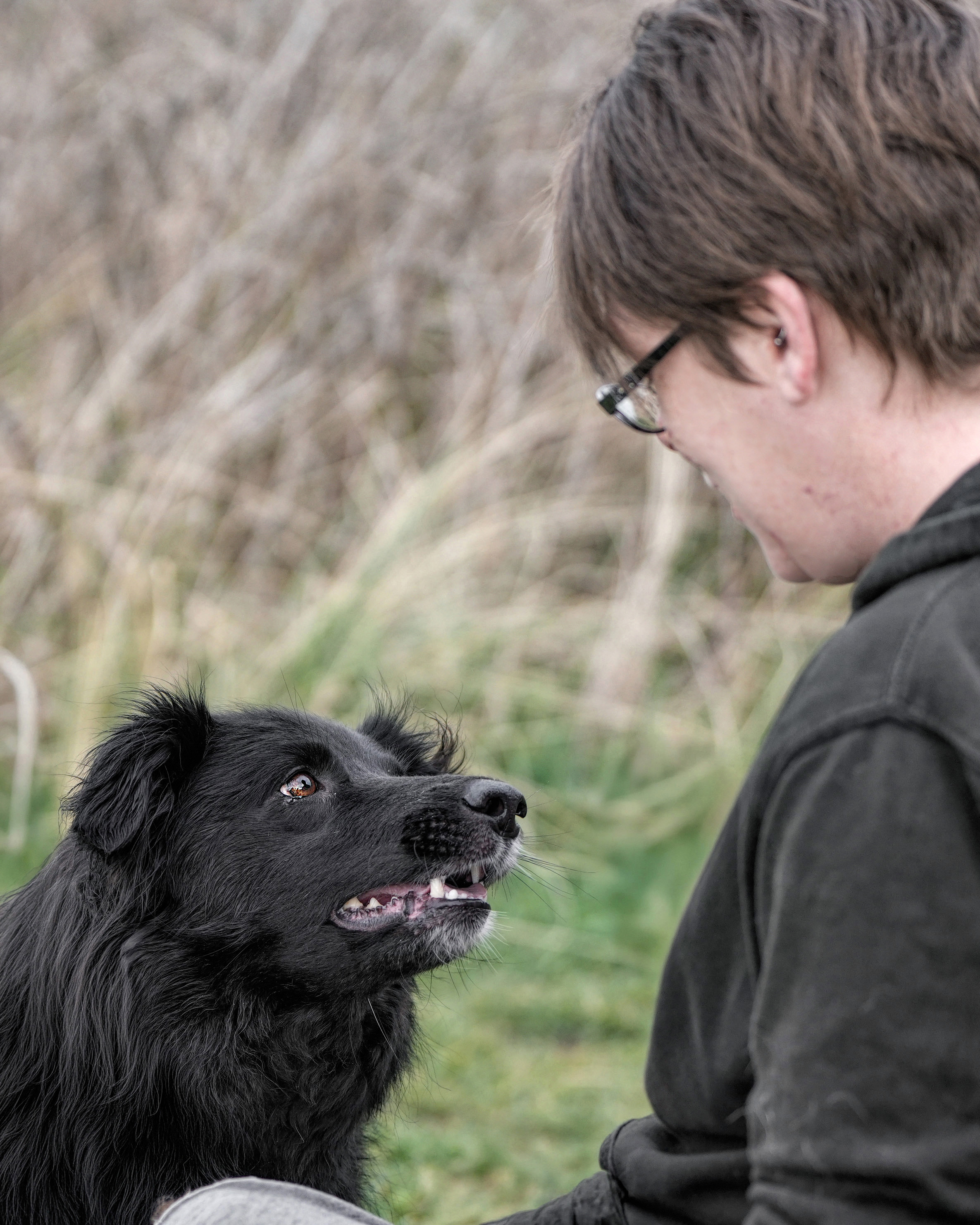
Force-free reactive dog behaviour specialist Northumberland
1:1 Training and Behaviour
Who it’s for
Owners of reactive dogs wanting to use force free training or those with dogs considered "write offs" by others.
What we help with
At College 4 Canines, we provide professional force-free dog behaviour and training support for dogs and owners in Northumberland. Whether your dog is reactive around other dogs, nervous in public, overexcited, or difficult to manage at home, we use science-based positive reinforcement methods to help create long-term behaviour change without fear, punishment, or intimidation.
Our approach focuses on understanding why behaviours happen — not simply suppressing them.
Every plan is tailored to the individual, using effective, force-free training methods that prioritise ethical treatment regardless of the intensity of the behaviour.
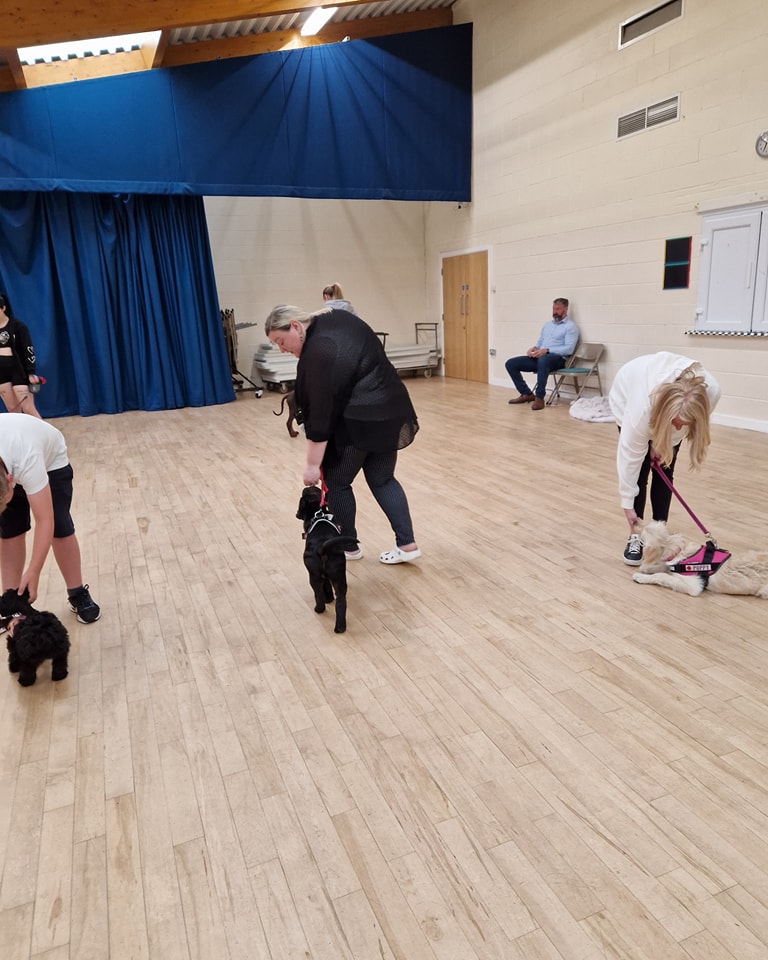
Supportive classes in Northumberland
All Training Classes
Perfect Puppy: Giving your new Puppy the best start with force-free Puppy training classes in Morpeth, Northumberland.
Lifeskills (Bronze, Silver & Gold): For adolescent and adult dogs, or rescue dogs with little training history. Our Lifeskills classes in Morpeth work on obedience up to advanced levels, and the only classes that include group social walks at Amble Links Beach & Amble Market.
Scentwork: Thrilling Scentwork classes in Morpeth, Northumberland from an accredited UK College of Scent Dogs Scentwork Instructor. Open to all breeds to enrich your dog's life for fun.
Reactive Dog Classes: The only place in Northumberland offering specific group classes for reactive dogs.
Trusted by local dog owners
Reviews
We’re proud to be recommended by families across Northumberland.
Our reviews reflect our calm approach, clear support, and commitment to dog welfare.
Training advice and guidance
Blog
Helpful articles covering puppy training, behaviour insights, and practical tips to support life with your dog. Written by Denise Devereux Bsc (Hons
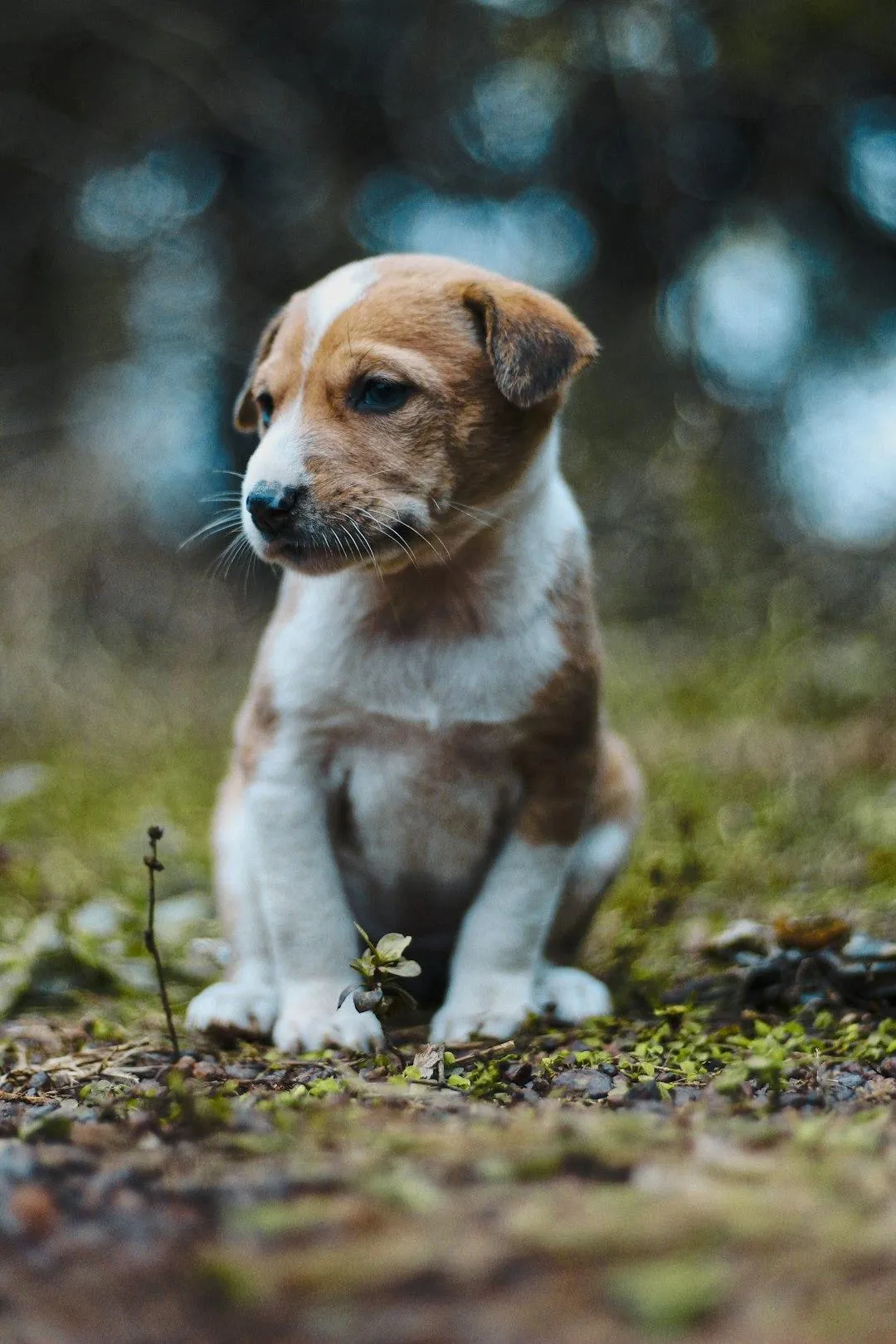
Toilet Training Your Puppy Using Positive Reinforcement
Toilet Training Your Puppy Using Positive Reinforcement
Why Toilet Training Takes Time
Toilet training is one of the first major challenges new puppy owners face.
Accidents indoors are completely normal during puppy development. Young puppies have limited bladder control and are still learning where toileting should happen.
Successful toilet training depends on:
Consistency
Supervision
Routine
Positive reinforcement
Realistic expectations
Force-free toilet training focuses on rewarding success rather than punishing accidents.
Why Punishment Should Be Avoided
Punishing puppies for accidents can create:
Fear of toileting in front of owners
Anxiety
Hiding behaviours
Confusion
Delayed toilet training progress
Puppies do not understand punishment after the event.
Instead, positive reinforcement helps puppies learn exactly where toileting is appropriate.
Creating a Toilet Training Routine
Young puppies need frequent opportunities to toilet.
Common times puppies need to go outside include:
After waking
After eating
After drinking
After play
After excitement
Before bedtime
Consistency builds predictability and faster learning.
Rewarding Outdoor Toileting
When your puppy toilets outside:
Calmly praise
Reward immediately
Use high-value treats
Reinforce consistently
Timing matters.
The reward should happen immediately after toileting so your puppy makes the correct association.
Supervision Is Essential
Prevention is easier than correction.
When puppies are awake and active, close supervision helps owners spot early signs such as:
Sniffing
Circling
Wandering away
Sudden stopping during play
If supervision is not possible, use management tools such as:
Puppy pens
Baby gates
Crates
Tethers
Cleaning Accidents Properly
Use enzymatic cleaners designed specifically for pet odours.
Standard household cleaners may leave lingering scent markers that encourage repeat accidents.
Avoid:
Rubbing puppy noses in accidents
Yelling
Punishment
Startling the puppy
These approaches can damage trust and increase anxiety.
Night-Time Toilet Training
Young puppies often need overnight toilet breaks.
Set realistic expectations based on age.
Many puppies gradually develop longer overnight bladder control as they mature.
Keeping nighttime trips:
Calm
Quiet
Predictable
helps puppies return to sleep more easily.
Regression During Adolescence
Some puppies temporarily regress during adolescence.
This is normal developmental behaviour and not stubbornness.
Maintain consistency and avoid punishment during this phase.
Common Toilet Training Mistakes
Giving Too Much Freedom Too Soon
Large unsupervised spaces often increase accidents.
Gradually expand freedom as reliability improves.
Missing Toilet Opportunities
Puppies learn fastest when owners proactively create opportunities for success.
Inconsistency
Different routines or responses can slow progress.
Consistency helps puppies understand expectations.
Final Thoughts
Toilet training requires patience, routine, and positive reinforcement.
Force-free methods help puppies learn confidently while protecting trust and emotional wellbeing.
Most puppies become reliably toilet trained through consistent routines, supervision, and rewarding success rather than punishing mistakes.
Are you based in Northumberland? Online tips are a great start, but hands-on feedback stops puppy frustrations much faster. Join our Perfect Puppy Classes at Acklington Village Hall.
https://college4canines.co.uk/puppy-classes-northumberland
Author
Written by Denise Devereux Bsc (Hon) Canine Behaviour. Denise is an accredited force-free behaviourist currently completing her MSc in Clinical Animal Behaviour at the University of Edinburgh
https://college4canines.co.uk/about-us
©️College 4 Canines
Toilet Training Your Puppy Using Positive Reinforcement
Toilet Training Your Puppy Using Positive Reinforcement
Why Toilet Training Takes Time
Toilet training is one of the first major challenges new puppy owners face.
Accidents indoors are completely normal during puppy development. Young puppies have limited bladder control and are still learning where toileting should happen.
Successful toilet training depends on:
Consistency
Supervision
Routine
Positive reinforcement
Realistic expectations
Force-free toilet training focuses on rewarding success rather than punishing accidents.
Why Punishment Should Be Avoided
Punishing puppies for accidents can create:
Fear of toileting in front of owners
Anxiety
Hiding behaviours
Confusion
Delayed toilet training progress
Puppies do not understand punishment after the event.
Instead, positive reinforcement helps puppies learn exactly where toileting is appropriate.
Creating a Toilet Training Routine
Young puppies need frequent opportunities to toilet.
Common times puppies need to go outside include:
After waking
After eating
After drinking
After play
After excitement
Before bedtime
Consistency builds predictability and faster learning.
Rewarding Outdoor Toileting
When your puppy toilets outside:
Calmly praise
Reward immediately
Use high-value treats
Reinforce consistently
Timing matters.
The reward should happen immediately after toileting so your puppy makes the correct association.
Supervision Is Essential
Prevention is easier than correction.
When puppies are awake and active, close supervision helps owners spot early signs such as:
Sniffing
Circling
Wandering away
Sudden stopping during play
If supervision is not possible, use management tools such as:
Puppy pens
Baby gates
Crates
Tethers
Cleaning Accidents Properly
Use enzymatic cleaners designed specifically for pet odours.
Standard household cleaners may leave lingering scent markers that encourage repeat accidents.
Avoid:
Rubbing puppy noses in accidents
Yelling
Punishment
Startling the puppy
These approaches can damage trust and increase anxiety.
Night-Time Toilet Training
Young puppies often need overnight toilet breaks.
Set realistic expectations based on age.
Many puppies gradually develop longer overnight bladder control as they mature.
Keeping nighttime trips:
Calm
Quiet
Predictable
helps puppies return to sleep more easily.
Regression During Adolescence
Some puppies temporarily regress during adolescence.
This is normal developmental behaviour and not stubbornness.
Maintain consistency and avoid punishment during this phase.
Common Toilet Training Mistakes
Giving Too Much Freedom Too Soon
Large unsupervised spaces often increase accidents.
Gradually expand freedom as reliability improves.
Missing Toilet Opportunities
Puppies learn fastest when owners proactively create opportunities for success.
Inconsistency
Different routines or responses can slow progress.
Consistency helps puppies understand expectations.
Final Thoughts
Toilet training requires patience, routine, and positive reinforcement.
Force-free methods help puppies learn confidently while protecting trust and emotional wellbeing.
Most puppies become reliably toilet trained through consistent routines, supervision, and rewarding success rather than punishing mistakes.
Are you based in Northumberland? Online tips are a great start, but hands-on feedback stops puppy frustrations much faster. Join our Perfect Puppy Classes at Acklington Village Hall.
https://college4canines.co.uk/puppy-classes-northumberland
Author
Written by Denise Devereux Bsc (Hon) Canine Behaviour. Denise is an accredited force-free behaviourist currently completing her MSc in Clinical Animal Behaviour at the University of Edinburgh
https://college4canines.co.uk/about-us
©️College 4 Canines
STILL NOT SURE?
Frequently Asked Questions
What services does College 4 Canines offer in Northumberland?
College 4 Canines provides professional force-free dog training and dog behaviour services in Northumberland, including puppy classes, reactive dog training, behavioural consultations, scentwork classes, lifeskills training, recall training, loose lead walking support, and one-to-one dog behaviour sessions. We help dogs and owners across Morpeth, Alnwick, Amble, Ashington, Blyth, and surrounding areas using science-based positive reinforcement methods.
What is a force-free dog trainer?
A force-free dog trainer uses positive reinforcement and reward-based training methods without punishment, fear, pain, or intimidation. At College 4 Canines, our force-free dog training approach focuses on improving behaviour by building confidence, trust, emotional wellbeing, and clear communication between dogs and owners.
What is the difference between a dog trainer and a dog behaviourist?
A dog trainer focuses mainly on teaching skills and obedience behaviours such as recall, loose lead walking, and puppy training. A qualified dog behaviourist works with more complex emotional and behavioural issues including reactivity, fear, aggression, anxiety, and phobias. College 4 Canines offers both professional dog training and canine behaviour support in Northumberland.
Do you help reactive dogs and aggressive dogs in Northumberland?
Yes. College 4 Canines specialises in reactive dog training and behavioural support for dogs that bark, lunge, growl, or struggle around other dogs, people, traffic, or unfamiliar environments. Our reactive dog training programmes use ethical science-based methods to help dogs feel calmer, safer, and more confident.
What areas do you cover for dog training and behaviour consultations?
We provide dog training and canine behaviour services across Northumberland, including:
Morpeth
Alnwick
Amble
Ashington
Blyth
Warkworth
Acklington
surrounding Northumberland areas.
Our puppy classes and dog training classes are held at Acklington Village Hall near Morpeth.
What age should puppies start puppy training classes?
Puppies can usually begin puppy training classes from around 8 weeks old following veterinary guidance regarding vaccinations. Early puppy training and socialisation are important for developing confidence, focus, calm behaviour, and good social skills during critical developmental stages.
Are your puppy training classes suitable for nervous puppies?
Yes. Our puppy classes in Northumberland are designed to support both confident and nervous puppies using calm, positive reinforcement training methods. We help puppies build confidence safely and at their own pace in a supportive training environment in our confidence building week.
What training methods do you use at College 4 Canines?
College 4 Canines uses modern science-based dog training methods based on positive reinforcement and behavioural science. We do not use punishment-based techniques, fear, or aversive training tools. Our goal is to improve behaviour while protecting the dog’s emotional wellbeing and strengthening the relationship between dogs and owners.
Can dog behaviour problems improve with training?
Many dog behaviour problems can improve significantly with professional support, consistency, and appropriate training. College 4 Canines works with issues including:
Reactivity
Fearfulness
Lead pulling
Recall problems
Puppy biting
Barking
Anxiety
Confidence issues.
Behaviour plans are tailored to each individual dog and owner.
Why choose College 4 Canines for dog training in Northumberland?
College 4 Canines provides qualified, accredited, force-free dog training and canine behaviour support in Northumberland. We specialise in helping puppies, adolescent dogs, and reactive dogs using ethical evidence-based training methods designed to achieve long-term results while supporting emotional wellbeing and confidence.
Do you offer one-to-one dog training sessions?
Yes. We provide one-to-one dog training and behavioural consultations for puppies, adolescent dogs, rescue dogs, and dogs with behavioural challenges across Northumberland. Individual sessions are tailored to the specific needs of the dog and owner.
Can older dogs still be trained?
Absolutely. Dogs of all ages can learn new behaviours and skills using positive reinforcement training methods. Whether you have a puppy, adolescent dog, rescue dog, or older dog, training can help improve behaviour, confidence, and communication.
What are the benefits of puppy socialisation classes?
Puppy socialisation classes help puppies learn how to feel calm and confident around:
People
Dogs
Sounds
New environments
Everyday experiences.
Proper puppy socialisation can help reduce the risk of future behaviour problems including fearfulness and reactivity.
Force-Free Reactive Dog Trainer & Accredited Dog Behaviourist in Blyth and Northumberland
Contact us today for supportive classes at Acklington Village Hall, Morperth.
Force-Free Reactive Dog Training & Support available throughout Northumberland.
.
Kind, professional support for dogs considered "unsuitable" elsewhere. Book your classes or an assessment call today.
College 4 Canines | Phone: +44 7795 199208 | Training Venue: Acklington Village Hall, Acklington, Northumberland, NE65 9BW.
© College4Canines 2026
Facebook
Google Plus